 How-to
The Benefits of Installing Smart Irrigation Systems
Last Updated: November 19, 2026
Quick Summary
Installing smart irrigation delivers lower water bills, healthier landscaping, and less manual effort, because the controller skips cycles after rain and shortens them in cool weather. A smart irrigation controller adjusts automatically to rainfall, seasonal changes, and drought conditions, unlike a fixed timer that runs rain or shine.
- Weather-based controllers use local weather data and evapotranspiration and suit most lawns with simple setup.
- Soil-moisture-based systems read buried sensors for more precision but cost more and need careful sensor placement.
- Skip a smart system for a tiny single-zone yard or where water is inexpensive and schedules rarely change.
- Record water meter readings, runtime per zone, and plant photos before installation to measure results.
- Place rain sensors where they see open sky, not under an eave or tree canopy.
Table of Contents
- How a Smart Irrigation System Actually Saves Water
- The Practical Benefits That Show Up First Season
- Types of Smart Irrigation Systems and How to Choose Between Them
- What a Smart Irrigation Controller Does That a Timer Cannot
- Smart Irrigation System Disadvantages and When to Skip One
- Installation, Setup, and Measuring Results After the First Month
- Planning Irrigation Around a Custom Outdoor Living Project
- Getting an Estimate for Your Outdoor Project
- Frequently Asked Questions
How a Smart Irrigation System Actually Saves Water
A smart irrigation system is a controller that sets your watering schedule from local weather data and soil conditions instead of a fixed timer (the EPA). The benefits of installing smart irrigation systems start with one simple shift: your sprinklers water when the ground needs it, not when the clock says so.
Most water waste comes from watering in the rain or running zones longer than the soil can absorb. A smart controller checks local rainfall and adjusts.
The Practical Benefits That Show Up First Season
The fastest wins are lower water bills, healthier plants, and less time spent fiddling with timers. Here is what most homeowners notice first:
- Water conservation. The controller skips cycles after rain and shortens them in cool weather.
- Lower operating costs. Less wasted water means a smaller monthly bill.
- Healthier landscaping. Consistent soil moisture beats the flood-then-drought cycle of a manual timer.
- Less manual effort. No more running outside to reset the schedule.
- Remote control. Most systems let you check and adjust zones from your phone.
Types of Smart Irrigation Systems and How to Choose Between Them
There are two main types of smart irrigation systems, and the choice comes down to how your controller decides when to water.
Weather-based controllers pull local weather data and estimate evapotranspiration, the combined water loss from soil and plants. They suit most lawns and are simple to set up.
Soil-moisture-based systems use buried sensors that read actual soil moisture. They are more precise but cost more and need sensor placement in representative spots.
| System Type | How It Decides | Best For | Watch Out For |
|---|---|---|---|
| Weather-based | Local weather data and evapotranspiration | Most lawns, simple setups | Needs a good local weather source |
| Soil-moisture-based | Buried sensor readings | High-value beds, tricky soil | Sensor placement errors skew results |
A common mistake is buying a soil sensor for a simple lawn. Weather-based control usually does the job for less.
What a Smart Irrigation Controller Does That a Timer Cannot
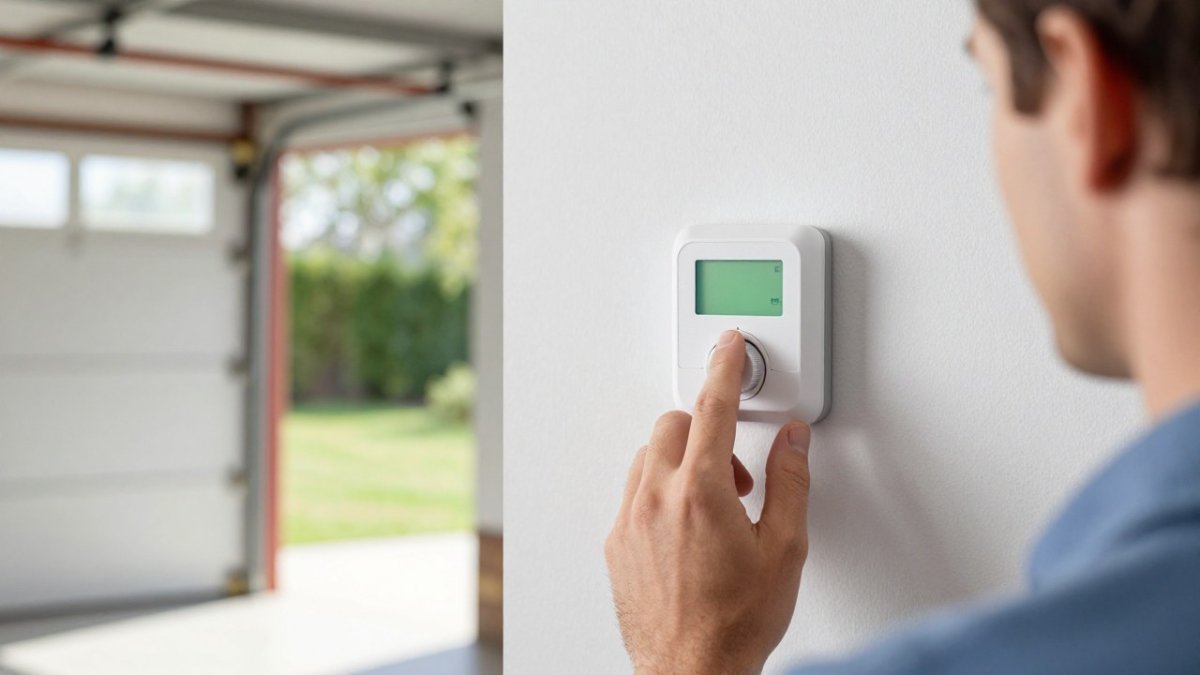
A smart irrigation controller adjusts automatically. A standard timer runs the same schedule rain or shine. The smart version reacts to rainfall, seasonal changes, and drought conditions in real time.
That automatic adjustment is the whole point. In spring and fall, a fixed timer overwaters. In a dry stretch, it underwaters. The smart controller closes that gap.
You still set zones, run times, and start times. The controller handles the daily tweaks. Look for rain sensors, zone control, and app-based remote monitoring when you compare models.
Smart Irrigation System Disadvantages and When to Skip One
Smart irrigation is not right for every property, and the drawbacks are real. Naming them honestly is more useful than a sales pitch.
- Upfront cost. A smart controller, rain sensor, and any soil sensors cost more than a basic timer. The gap widens if your existing valves or wiring need updating to support the new controller.
- Setup and calibration time. Programming zones by plant type and sun exposure, placing sensors correctly, and tuning run times to avoid runoff takes effort in the first weeks. A poorly calibrated smart controller can water worse than a dumb timer.
- Wi-Fi and connectivity dependence. Weather-based controllers pull data over Wi-Fi. A weak signal at the controller location causes missed updates and stale schedules. Check signal strength before you mount the unit.
- Sensor drift and maintenance. Soil-moisture sensors can drift or foul over time and need recalibration or cleaning. Rain sensors can clog with debris. Neither is a set-and-forget device.
- Compatibility limits. Older valves, shared common wires, and mixed-brand sensors can force adapters or replacement parts that add cost and complexity.
When to skip a smart system. Skip it if you have a tiny yard with one zone, if your water is already inexpensive and your schedule rarely changes, or if you are unwilling to check and recalibrate sensors seasonally. A single-zone lawn with stable weather often does not justify the hardware.
When it is worth it. The math favors smart control when you have many zones, high-value plantings, a large turf area, or local watering restrictions that reward efficiency. If you are weighing a bigger landscape investment, it helps to know whether professional backyard landscape designs are worth it before you commit.
A balanced view: the plant-health gain often matters more than the bill. Even watering prevents the overwatering and underwatering cycle that causes most lawn decline, and that benefit shows up even when the dollar savings are modest.
Installation, Setup, and Measuring Results After the First Month
Most guides stop at benefits. The installation sequence is where a smart system either earns its keep or becomes an expensive timer. Here is how the work actually breaks down, and how to tell whether it is working.
Before you buy: controller compatibility. Check three things against your existing equipment. First, count your zones and confirm the controller supports that many plus a master valve or pump relay if you have one. Second, verify the transformer and wiring are compatible; older systems sometimes use a shared common wire that trips up novice installs. Third, confirm the controller works with your rain sensor or flow sensor, because mixing brands can require an adapter. A controller that fits your valve count but not your sensor is the most common return.
Sensor placement. Rain sensors belong where they see open sky, not under an eave or tree canopy. Soil-moisture sensors need a spot that represents the zone, not the wettest or driest corner. A sensor in a shaded low spot reads wet when the sunny slope is dry, and the controller will starve every zone tied to it. Place sensors in the middle of the root zone at the depth the manufacturer specifies, and keep them away from drip lines and downspouts.
Zone setup and schedule calibration. Program zones by plant type and sun exposure, not by convenience. Turf, beds, and containers have different root depths and water needs, so they belong on separate zones. Set run times to avoid runoff: if water sheets off the lawn before the cycle ends, split the run into two shorter cycles with a pause between them. Calibrate the schedule over the first two weeks by watching for runoff, dry spots, and overspray on hardscape. Precision in these adjustments prevents waste and helps lower water bills by ensuring every drop serves a specific landscape requirement.
A simple before-and-after measurement. Do not rely on broad savings claims. Record three baselines before installation: your water meter reading over a typical week, the runtime per zone, and a photo log of plant health in each zone. After the first full month, compare meter use for the same week, check whether any zone shows stress, and note runoff after rain. A full season gives the fairest read because weather swings distort short windows.
Watch out: connecting a new controller to old valves without checking for a stuck valve or a leaking head will make the smart schedule look broken when the real problem is hardware. For a rundown of the pitfalls that trip up DIY and hired installs alike, see how to avoid common outdoor construction mistakes. Fix leaks before you program.
If the irrigation is part of a larger build, coordinate the trenching with hardscape and lighting so you are not cutting a new patio later. You can review the hardscape features and exterior lighting we design to see how the pieces line up.
Planning Irrigation Around a Custom Outdoor Living Project
Irrigation works best when it is designed with the hardscape, not added after. Trenching, lighting, and drainage all share the same ground. Plan them together and you avoid tearing up a new patio later.
If your project includes a deck, patio, or exterior lighting, it pays to coordinate the irrigation zones with those features from day one. You can see the hardscape features and exterior lighting we design so the whole build lines up.
A few planning rules we follow:
- Map zones before any concrete is poured.
- Keep sprinkler heads clear of pergola footings and kitchen islands.
- Tie lighting and irrigation to the same trench where possible.
Getting an Estimate for Your Outdoor Project
Pricing for a smart irrigation setup depends on zone count, sensor type, and how much site work the landscape needs. For current pricing or a quote, contact Lush Design Build LLC through our website.
Before you sign with any contractor, understand the benefits of hiring a design-build firm. It also helps to know the clauses your outdoor living space construction contract needs.
When you are ready, request a project estimate through Lush Design Build LLC.
A smart irrigation system only pays off when it is planned with the rest of your outdoor space. Lush Design Build LLC designs and builds custom outdoor living projects across Carmel, Fishers, Zionsville, and Westfield, and we can coordinate hardscape and exterior lighting as one plan. Our team offers full-service landscape design from concept to installation and integrates premium materials and durable finishes. Get started with Lush Design Build LLC and build an outdoor space that works as well as it looks.
Frequently Asked Questions
What are the disadvantages of a smart irrigation system?
The main drawbacks are upfront cost, setup time, and dependence on reliable Wi-Fi and power at the controller location. Weather-based controllers need accurate local data, and soil-moisture sensors need correct placement or they read wrong. Older or poorly zoned sprinkler systems also limit what a smart controller can do, since it can only adjust the zones it is given. If your landscape is small, hand-watered, or already on drip, the payback may be slow.
What is the difference between a smart irrigation controller and a traditional timer?
A traditional timer runs a fixed schedule you set once, watering the same minutes in April and October, rain or shine. A smart irrigation controller adjusts that schedule using local weather data or soil moisture readings, skipping cycles after rainfall and lengthening them during dry spells. It also gives you remote control and real-time monitoring from a phone, so you can pause watering while guests use the patio or check a zone without walking the yard.
Can smart irrigation systems reduce water use?
They can, mainly by eliminating overwatering. Weather-based control and soil moisture sensors cut cycles when the ground is already wet, and zone-by-zone scheduling stops one sunny slope from getting the same runtime as a shaded bed. Actual water savings depend on how far off your current schedule is, your local climate, and whether the system is programmed and maintained correctly. Measure results by comparing utility bills and observing plant health over a full season.
How much does a smart irrigation system cost?
Costs vary widely by controller brand, the number of irrigation zones, whether you add soil moisture sensors, and whether new wiring or valves are needed. A retrofit on an existing sprinkler system costs far less than a full install on a property with no irrigation. Pricing depends on your specific site, so ask for a written estimate that separates equipment, labor, and any trenching or electrical work before you commit.