 Listicle
How to Plan Patio Upgrades That Attract Home Buyers
Last Updated: November 4, 2026
Quick Summary
Patio upgrades that attract home buyers should prioritize a defined dining zone, shade, layered lighting, and drainage that works, since buyers pay for a yard that looks finished and low-effort rather than raw square footage. Fix drainage, grading, and uneven pavers first, then add finish and lifestyle features as budget allows.
- Buyers discount cracked stamped concrete, sunken joints, and structures that look like they need immediate repair.
- Spend down a three-tier ladder: repair and safety, then finish and function, then lifestyle features.
- Break the patio into dining, conversation, and circulation zones instead of one open rectangle.
- 2026 trends favor durable, low-maintenance, four-season spaces over novelty features.
- Call 811 before any excavation and confirm local permit requirements before signing a contract.
Table of Contents
- Why Patio Upgrades Matter to Today's Home Buyers
- Do Outdoor Patios Increase Home Value? What Buyers Actually Pay For
- Small Patio Upgrades That Attract Home Buyers on a Tighter Budget
- How to Maximize Patio Space So Buyers See Room to Entertain
- 2026 Outdoor Living Trends Buyers Are Watching For
- Permits, Safety, and Installation Details That Protect Your Investment
- Getting a Project Estimate for Your Patio Upgrades
- Frequently Asked Questions
Why Patio Upgrades Matter to Today's Home Buyers
Patio upgrades that attract home buyers are no longer a backyard afterthought.
Here is the honest version most listing guides skip. Buyers do not pay for square footage of pavers. They pay for a yard that looks finished, usable, and low-effort.
That distinction drives everything below: what buyers actually pay for, which upgrades work on a tighter budget, how to make a small footprint feel generous, what is trending in 2026, and the permitting and installation details that protect your investment.
Do Outdoor Patios Increase Home Value? What Buyers Actually Pay For
Outdoor patios can increase home value, but the gain comes from buyer appeal and usable living space rather than a guaranteed dollar-for-dollar return.
The Appraisal Institute's guidance on residential site improvements treats hardscaping and outdoor structures as contributory value, meaning the appraiser weighs them against the neighborhood rather than adding a fixed percentage.
What buyers respond to, in rough order of impact:
- A defined dining zone with room for a real table, not a bistro set squeezed against the house
- Shade, whether from a pergola, pavilion, or mature tree canopy
- Lighting that makes the space usable after dark
What buyers discount: cracked stamped concrete, uneven pavers with sunken joints, and any structure that looks like it needs immediate repair.
A useful test is whether a space reads as finished rather than how many square feet it adds. For a deeper look at how a custom patio adds home value, including buyer appeal and resale considerations, see our full guide.
Small Patio Upgrades That Attract Home Buyers on a Tighter Budget
A useful way to think about it is a three-tier priority ladder. Tier one is repair and safety.
Tier one: repair and safety (do these first)
- Correct drainage and grading. Water should sheet away from the foundation, and the patio base should be compacted and sloped. A patio that ponds after a storm actively subtracts value, because buyers read it as a structural problem.
- Re-set sunken pavers and re-sand polymeric joints. Uneven joints and rocking stones signal poor base prep, and buyers notice trip hazards at walkthroughs.
- Repair or replace a failing threshold and step. A clean landing reads as quality construction; a spongy step or gap at the sill reads as deferred maintenance.
Tier two: finish and function
- Layer the lighting. Path lights, step lights, and a few well-placed fixtures change how the space feels at dusk, when many buyers tour. Low-voltage systems are the usual approach and can be expanded later.
- Define one seating zone. A single clearly arranged area reads better than scattered furniture, and it helps buyers mentally place their own.
- Add a shade element over the dining table. A quality umbrella or modest pergola extends usable hours and photographs well. If a pergola is planned, design its footings now even if you build it later.
Tier three: lifestyle features
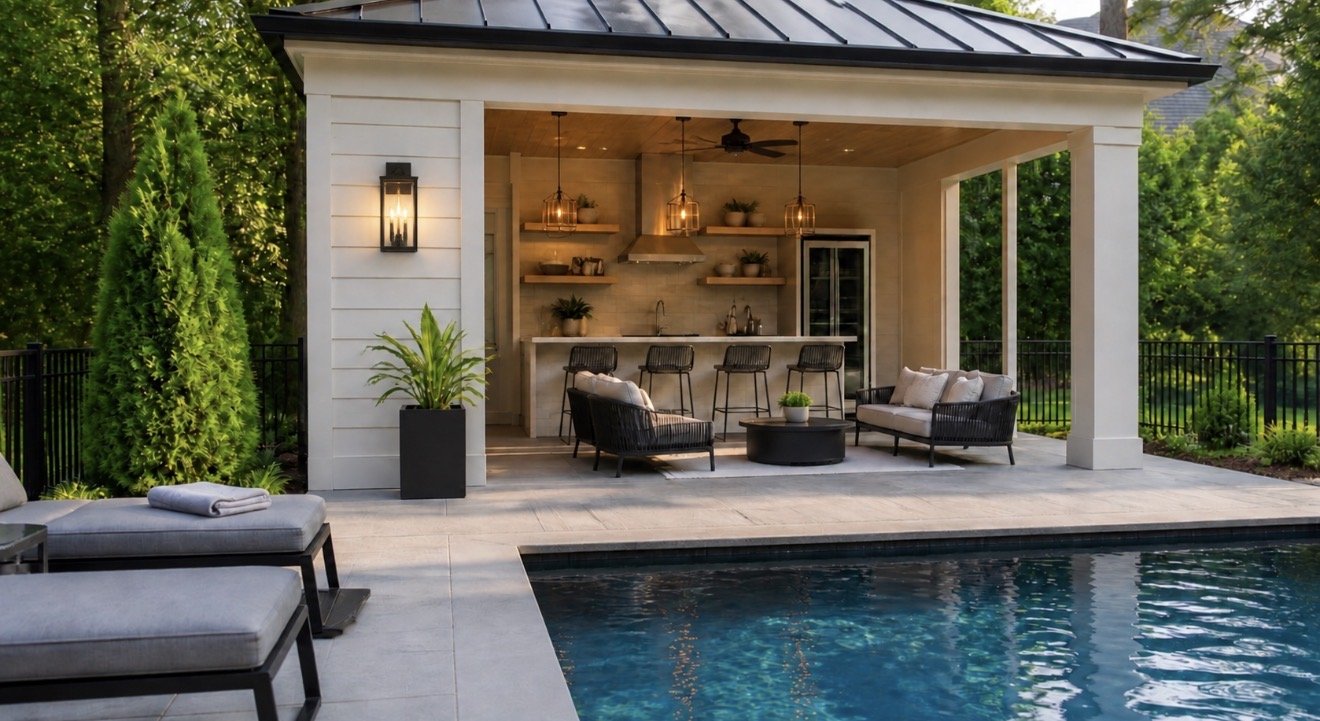
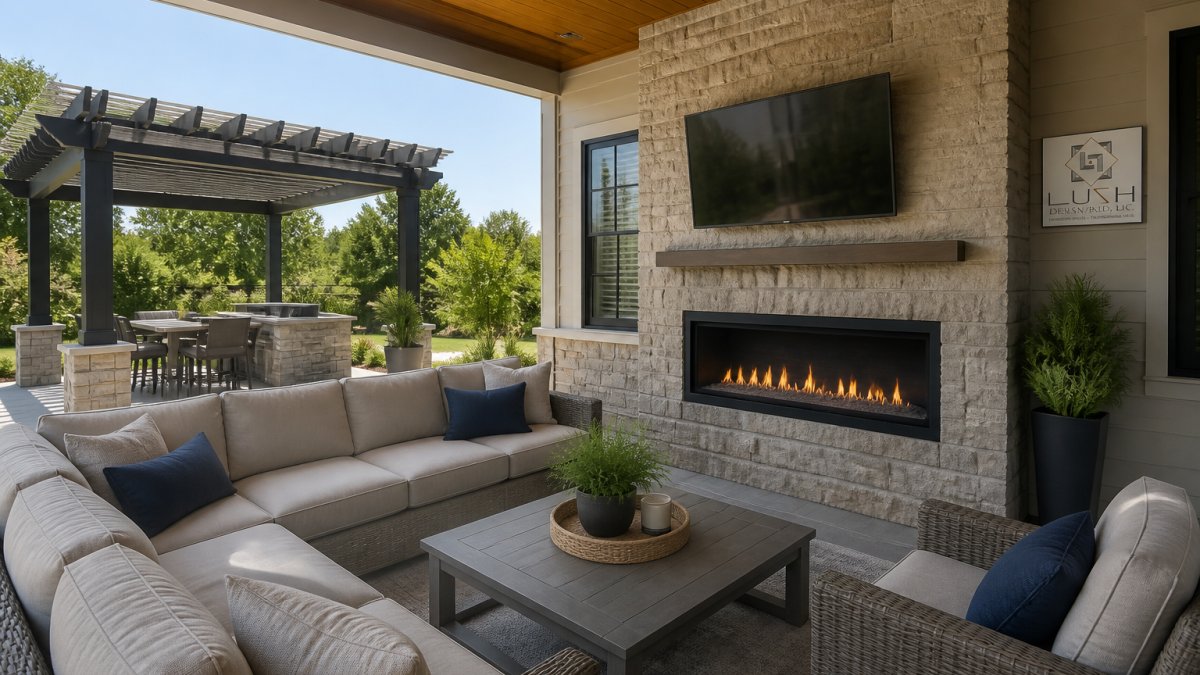
- A fire feature or outdoor kitchen. These are the features buyers ask about, but they are also the ones most likely to be over-scaled. A grill station sized to actual use beats a showpiece nobody cooks on.
- Built-in seating or a low seat wall. Useful for defining a zone and doubling as structure on a sloped site.
Watch out: do not spend a small budget on a fire feature or outdoor kitchen before drainage and grading are right.
Two buyer concerns deserve a place in any tight-budget plan. Low maintenance matters: durable pavers, composite where wood would need annual sealing, and easy-care planting all read as value. Accessibility matters too, step-free transitions, slip-resistant surfaces, and level landings cost little when designed in from the start rather than retrofitted.
Phasing is legitimate. Many clients build the hardscape and drainage first, then add the kitchen or pergola a season later.
Spend down this priority ladder rather than across it, fixing what reads as unfinished before adding anything new.
| Tier | What to do | Why it matters |
|---|---|---|
| Tier one: repair and safety | Correct drainage and grading | A patio that ponds reads as a structural problem |
| Tier one: repair and safety | Re-set sunken pavers and re-sand polymeric joints | Uneven joints and rocking stones signal poor base prep |
| Tier one: repair and safety | Repair or replace a failing threshold and step | A spongy step reads as deferred maintenance |
| Tier two: finish and function | Layer the lighting | Changes how the space feels at dusk |
| Tier two: finish and function | Define one seating zone | Helps buyers mentally place their own furniture |
| Tier two: finish and function | Add a shade element over the dining table | Extends usable hours and photographs well |
| Tier three: lifestyle features | A fire feature or outdoor kitchen | Most asked about, but most likely over-scaled |
| Tier three: lifestyle features | Built-in seating or a low seat wall | Defines a zone and doubles as structure on slopes |
How to Maximize Patio Space So Buyers See Room to Entertain
To maximize patio space, work with zones and sightlines rather than raw square footage. Buyers judge whether they can picture a gathering, and a well-zoned small patio sells that picture better than a large undivided slab.
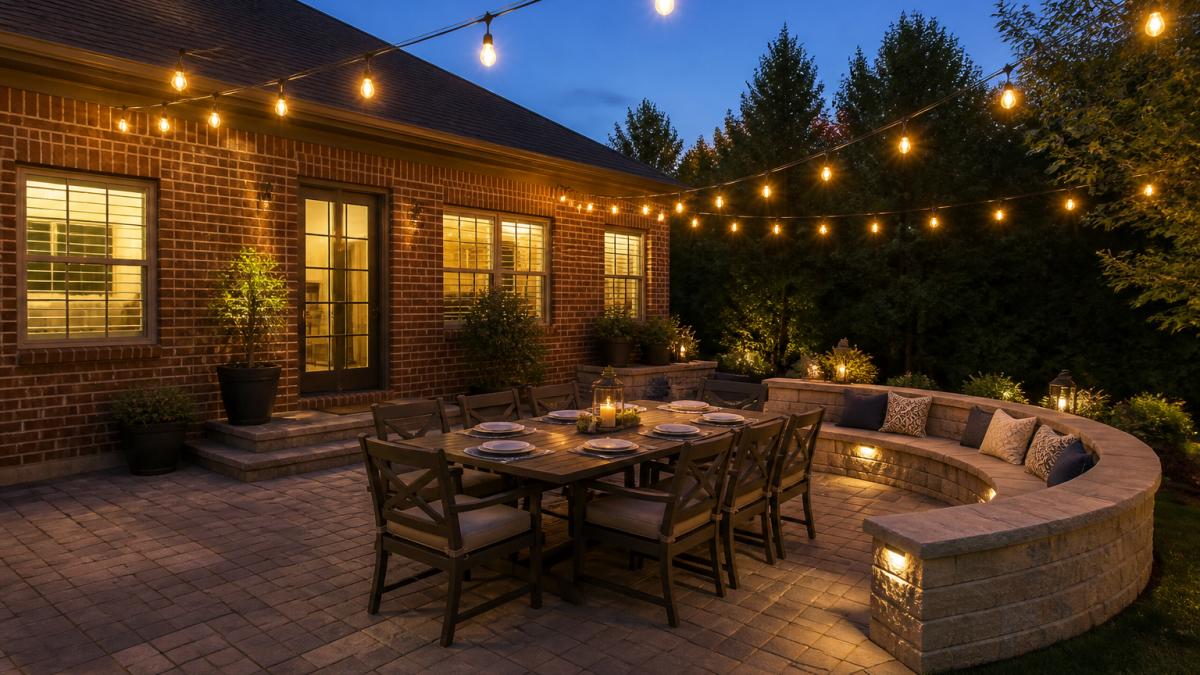
The most common mistake is treating the patio as one open rectangle. Instead, break it into a dining zone, a conversation zone, and a circulation path between the house and the yard.
A few design moves that make a modest footprint feel larger:
- Run pavers to the house line so the patio reads as an extension of the interior
- Use a low seat wall as both seating and a visual boundary, defining the zone without fencing it in
- Keep furniture scaled to the space, since oversized pieces shrink a patio
If the yard is sloped or oddly shaped, grading and retaining walls become part of the design rather than an afterthought. Our guide to custom patio design for sloped yards walks through grading, drainage, and retaining walls.
2026 Outdoor Living Trends Buyers Are Watching For
The outdoor living trends buyers are watching for in 2026 lean toward durable, low-maintenance, four-season spaces rather than novelty features. Buyers want outdoor rooms they can use in April and October, not just July.
The trends, and the mechanism behind each
- Covered structures over open patios. Pergolas, pavilions, and covered porches extend the season and protect furniture by providing shade and rain protection, turning a fair-weather patio into a room. On a heavily treed lot, canopy already provides shade, so the calculus changes.
- Indoor-outdoor connection. Retractable or folding glass walls and large sliders blur the line between kitchen and patio. This is a structural decision, not a finish decision, because it affects headers, footings, and how the patio is framed against the house.
- Low-maintenance materials. Composite decking, quality pavers, and finishes that do not need annual sealing. Buyers increasingly price in the labor of upkeep. For concrete examples, see our guide to luxury deck features for high-end homes.
Matching the trend to the home and buyer
A trend that fits one property can be a mismatch on another. A few patterns worth weighing:
- Small lot, urban or close-in suburb. Prioritize a defined dining zone, layered lighting, and a shade element over a large footprint. A modest, well-zoned patio reads as finished; a sprawling one on a small lot reads as crowded.
- Larger lot with mature trees. Shade is already present, so budget is often better spent on drainage, level transitions, and lighting than a second shade structure.
- Sloped or oddly shaped yard. Grading and retaining walls become part of the design, and a pavilion or seat wall can double as structure.
The throughline for 2026: buyers reward spaces that get used. If a covered, year-round space is the goal, our sunroom and pool house services show how we approach four-season rooms.
Permits, Safety, and Installation Details That Protect Your Investment
Permits and installation details protect your investment because unpermitted work becomes the buyer's problem at inspection. A patio that fails a drainage or structural check can stall a sale or force a credit at closing.
What to verify before work starts:
- Local permit requirements. Many jurisdictions require permits for structures with roofs, footings, gas lines, or electrical work. Confirm what applies with the local building department before signing a contract.
- Utility locates. Call 811 before any excavation so gas, electric, and water lines are marked.
- Drainage and grading. Water should move away from the foundation, and the patio base should be compacted and properly sloped.
Watch out: a contractor who offers to skip the permit to save time is telling you how they handle every other detail. Permitted, inspected work is what protects resale, because a buyer's inspector will ask for the paper trail.
The U.S. Consumer Product Safety Commission's outdoor living safety guidance is a useful reference for fire feature and grill placement, and the Federal Emergency Management Agency's guidance on water management around structures explains why grading and drainage decisions matter beyond the patio itself.
Getting a Project Estimate for Your Patio Upgrades
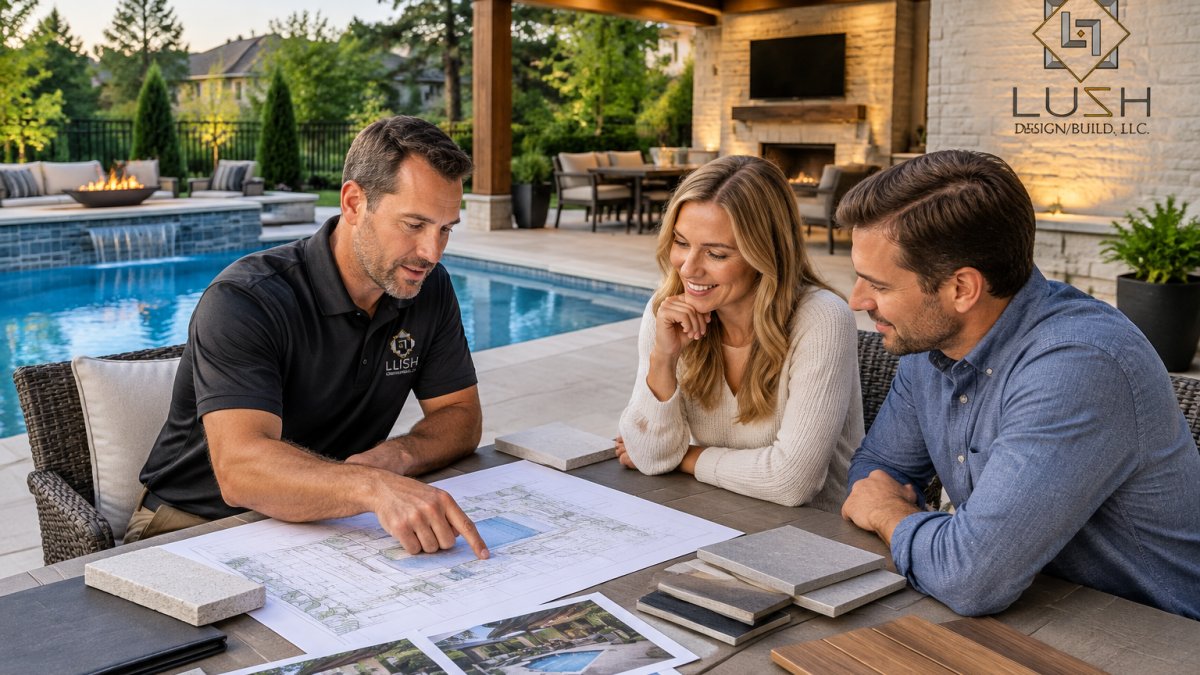
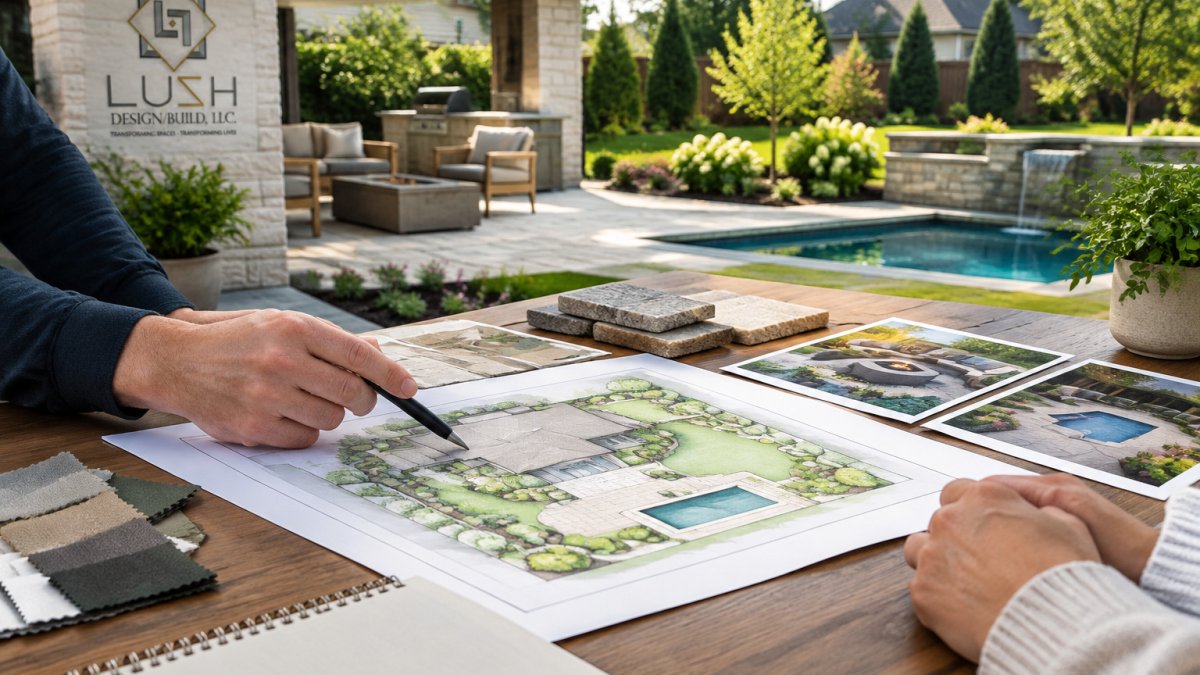
A project estimate for patio upgrades should start with a design conversation, since scope, materials, site conditions, and phasing determine the number.
Here is how we would approach it with a client:
- Walk the site. Note grade, drainage, sun exposure, and how the yard connects to the house.
- Define the zones. Decide what the patio needs to do: dining, lounging, cooking, or a combination.
- Choose materials and structure. Pavers, stamped concrete, or decking, plus any pergola, pavilion, or kitchen element.
- Plan the phases. Separate must-haves from later additions so the budget stays realistic.
- Confirm permits and trades. Identify what needs a permit and which licensed trades are involved.
- Get a written scope and timeline. A clear contract with a schedule protects both sides.
If you are comparing contractors, look for clear scope, written timelines, and proof of permitted, licensed work. Our guide on how to choose custom patio builders in Hamilton explains how to compare contractors and plan your build.
Patios can be planned as part of a larger outdoor living plan, with phasing decided up front. Explore our deck and patio services and outdoor kitchen and bar design.
Frequently Asked Questions
What backyard upgrades increase home value the most?
Buyers respond most to upgrades that expand usable living space and feel permanent: a well-built paver patio, a covered structure like a pergola or pavilion, and a functional outdoor kitchen or grill station. These features read as finished, low-maintenance spaces rather than projects a buyer will need to tackle. Small touches like landscape lighting and defined planting beds also help, but structural, durable improvements tend to carry more weight with appraisers and buyers alike.
Are covered patios more attractive to buyers than uncovered ones?
In most markets, yes. A covered patio extends the usable season and protects furniture and finishes from sun and rain, which buyers view as lower maintenance. Shade structures such as pergolas, pavilions, and roof extensions also photograph well and signal that the outdoor space was designed rather than added on. The key is that the cover matches the home's architecture and is built to last, not a temporary add-on that looks out of place.
Which patio improvements may not pay off when selling?
Highly personalized features can narrow your buyer pool: elaborate water features, niche sports courts, or heavily themed hardscaping may appeal to you but not to the next owner. Very high-end built-in appliances and specialty finishes also tend to return less at resale than their cost. Before committing, weigh broad appeal against personal preference, and consider whether a simpler, durable design would serve both your enjoyment now and a future sale.
How can you maximize a small patio space?
Focus on function over size. Use built-in benches and vertical planters to save floor space, choose furniture scaled to the patio, and define zones with rugs or lighting rather than walls. A pergola or shade sail adds overhead interest without eating ground space. Extending the patio slightly or adding a step-down level can make it feel larger. A design-build contractor can help you plan these moves so the space works hard without feeling crowded.
The gap between a patio that sells a home and one that sits unused usually comes down to planning, not budget. If you are weighing upgrades and want a clear-eyed read on what fits your property and your goals, get started with Lush Design Build LLC and build an outdoor space that earns its place at resale.