 listicle
7 Patio Landscaping Ideas for Resale That Buyers Love
Last Updated: November 8, 2026
Quick Summary
Effective patio landscaping for resale means cleaning and re-sanding pavers, edging beds, and laying fresh mulch before spending on structural upgrades. Buyers notice sightlines and maintenance first, so fix drainage and trip hazards second, and add shade structures only if the patio is unusable without them.
- Buyers scan sightlines from the back door and read cracked pavers or overgrown beds as deferred maintenance.
- Power-washing pavers, re-sanding joints, edging beds, and mulching deliver the biggest visual change per hour.
- Complete cosmetic refresh everywhere, functional repair wherever an inspector would flag it, and structural upgrades last.
- Sealing a failing surface can trap moisture and accelerate spalling, so repair the substrate first.
- Pergolas and other structures can trigger permit and footing requirements that become negotiation items if unpermitted.
Table of Contents
- Why Patio Landscaping Pays Off at Resale
- Small Patio Landscaping Ideas for Resale That Make the Space Feel Bigger
- Simple Patio Landscaping Ideas for Resale: High Impact, Low Effort
- Low Maintenance Patio Landscaping Ideas for Resale That Hold Up
- Patio Landscaping Ideas for Resale on a Budget
- Prioritizing Projects: A Pre-Sale Checklist by Return and Effort
- Planning Your Patio Upgrade With a Design-Build Team
- Frequently Asked Questions
Why Patio Landscaping Pays Off at Resale
Patio landscaping ideas for resale work because buyers judge a home before they ever step inside. A clean, defined outdoor space reads as a room the buyer can already picture using, and that mental image is worth more than most sellers expect. The pattern across resale outdoor spaces is consistent: the yards that sell fastest are the ones where the patio looks intentional rather than leftover.
What Buyers Actually Notice First
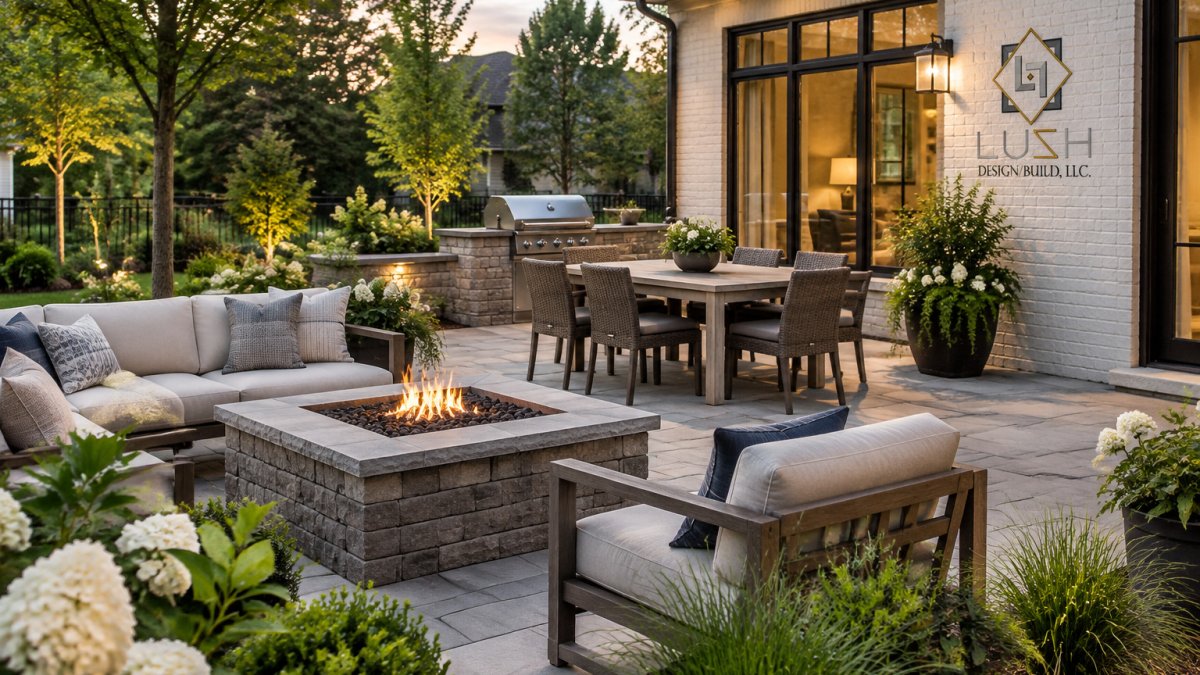
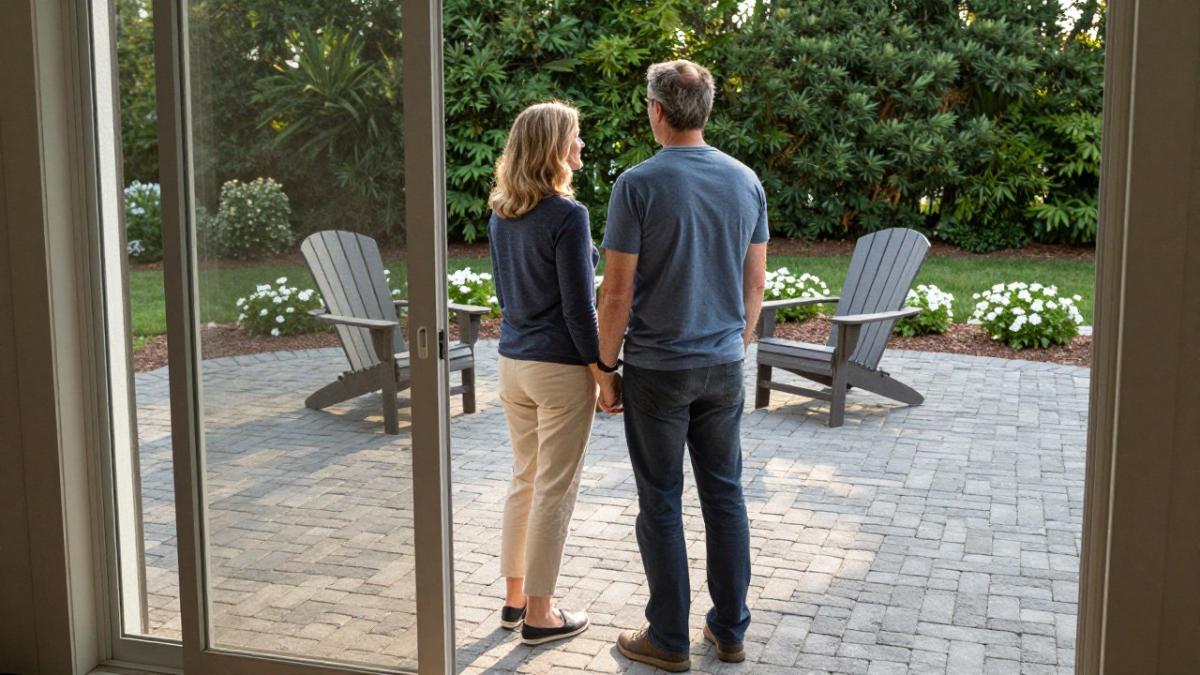
Buyers notice sightlines, not plant names. They scan from the back door across the patio and register whether the space feels open, level, and maintained. Cracked pavers, mismatched furniture, and overgrown beds read as deferred maintenance, and buyers mentally discount for it. Fresh mulch, a swept hardscape, and one clear seating zone do more for perceived value than an expensive planting scheme nobody can see from the kitchen window.
The National Association of Realtors outdoor features research consistently ranks outdoor living spaces among the features buyers value most, which is why small, deliberate fixes outperform wholesale redesigns when you are selling.
Small Patio Landscaping Ideas for Resale That Make the Space Feel Bigger
Small patio landscaping ideas for resale start with one rule: remove anything that breaks a sightline. A cramped patio feels twice as large once the clutter is gone and the edges are defined. Scale matters too. Oversized furniture in a small space shrinks it, while a low bench, a narrow planter, and a single vertical element draw the eye up and out.
Try these moves on a tight patio:
- Swap bulky chairs for a slim bench along one edge
- Run a narrow bed of low plants along the boundary instead of pots scattered everywhere
- Use one material change to define the patio edge rather than several
- Keep paving continuous to the lawn so the eye reads one surface
A sloped or awkward yard is not a dead end, and custom patio design for sloped yards walks through grading and retaining solutions that turn a problem grade into a feature buyers remember.
Simple Patio Landscaping Ideas for Resale: High Impact, Low Effort
Simple patio landscaping ideas for resale deliver the biggest visual change per hour of work. Power-wash the pavers, re-sand the joints, edge the beds, and lay fresh mulch. Those four tasks cost little and photograph beautifully, which matters because most buyers see your yard online before they see it in person.
Then address the one thing every buyer tests: shade. A pergola, a shade sail, or a well-placed tree makes a patio usable at noon in July, and usability is what sells.
Low Maintenance Patio Landscaping Ideas for Resale That Hold Up
Low maintenance patio landscaping ideas for resale win on two fronts: they look good on listing day and they still look good at the final walkthrough. Buyers are not buying a hobby. They want a yard that survives a busy schedule, and a design that admits this reads as honest rather than neglected.
Durable choices we recommend:
- Native plants and ornamental grasses that tolerate local weather swings
- Hardscaping that drains properly, so pavers stay level and stain-free
- Gravel or stone borders instead of annual beds that need replacing
- Artificial turf only where foot traffic kills real grass
Durability Questions Buyers and Inspectors Ask
Buyers and inspectors ask whether water moves away from the house, whether the patio surface is stable, and whether structures are properly built. Poor drainage is a common patio problem flagged during resale inspections, and it is generally far less costly to prevent during a build than to correct later. Proper grading and drainage planning belong in the design phase, not the punch list. If drainage is your concern, designing a backyard that drains correctly lays out the steps we follow on every project.
Patio Landscaping Ideas for Resale on a Budget
Patio landscaping ideas for resale on a budget work best when you separate spending into three tiers: cosmetic refresh, functional repair, and structural upgrade. Most sellers overspend in the cosmetic tier and underspend in the functional tier, which is backwards. Buyers forgive a plain patio; they do not forgive a patio that floods, shifts, or trips them during a showing.
Think in tiers rather than a single number:
- Tier one, cosmetic refresh. Cleaning, re-sanding joints, edging beds, fresh mulch, and one color accent. This is the lowest-cost work per square foot and the highest visual return, because it changes what buyers see in listing photos before they ever visit.
- Tier two, functional repair. Fixing drainage, re-leveling settled pavers, repairing steps, and correcting trip hazards. This tier rarely photographs well, but it protects you during inspection and removes the single most common reason buyers discount an outdoor space.
- Tier three, structural upgrade. New hardscape, a pergola, a retaining wall, or a full redesign. This is where the largest spend sits and where the return is least predictable at resale, because a buyer may not share your taste in materials or layout.
A practical rule many homeowners find useful: complete tier one everywhere, complete tier two wherever an inspector would flag it, and only enter tier three if the patio is genuinely unusable without it. A patio that bakes in afternoon sun or floods after rain is a usability problem, and usability problems suppress offers more than dated materials do.
Watch out: painting or sealing a failing surface to make it look fresh can trap moisture and accelerate spalling, which turns a cosmetic fix into a visible defect by the final walkthrough. Repair the substrate before you dress the surface.
If your budget is tight, a budget-friendly patio refresh can raise perceived value without a full rebuild, and it is often the smarter pre-sale move than a partial structural project that stalls halfway.
Prioritizing Projects: A Pre-Sale Checklist by Return and Effort
Prioritizing patio projects by return and effort keeps you from over-investing before a sale, but the ranking only works if you understand why each row sits where it does.
| Project | Effort | Buyer Appeal | Inspection Risk | Priority |
|---|---|---|---|---|
| Clean, re-sand, and edge pavers | Low | High | Low | First |
| Fresh mulch and bed cleanup | Low | High | Low | First |
| Repair drainage and trip hazards | Medium | High | High if ignored | Second |
| Add shade structure or pergola | High | Medium-High | Medium (footings, permits) | Third |
| Full hardscape replacement | High | Medium | Medium | Last |
Work top to bottom, but read the inspection-risk column as a gate rather than a suggestion.
Several factors can shift the ranking for a specific home:
- Neighborhood expectations. In a community where most homes already have covered outdoor living, a bare patio reads as a missing feature rather than a blank canvas, and shade moves up the list. Where patios are simpler, overbuilding can price you above the street.
- Buyer profile. Move-up buyers with young families weight safety and usable flat space; downsizing buyers weight low maintenance and easy access. The same patio reads differently to each group.
- Maintenance burden. A feature that requires weekly care reads as a chore to a busy buyer. Low-maintenance planting and durable hardscape present better at the final walkthrough than a high-input garden that peaked in spring.
Accessibility and safety belong in the prioritization, not the punch list. Stable walking surfaces, consistent step heights, handrails where code requires them, and lighting on paths and steps all affect how confidently a buyer moves through the space.
Watch out: adding a pergola or other structure can trigger permit and footing requirements, and an unpermitted structure discovered during a sale becomes a negotiation item. Confirm what your jurisdiction requires before you build, not after.
Work top to bottom, and most sellers who stop after the first two rows still get a better result than a rushed full remodel. If you want the prioritization done against your actual site conditions, a design-build team can walk the patio with you and separate what needs repair from what only needs refreshing.
Planning Your Patio Upgrade With a Design-Build Team
Planning a patio upgrade with a design-build team means one group handles design, permitting, and construction instead of you coordinating three. That matters most on projects involving grading, structures, or utilities, where a design that ignores buildability creates change orders later. A design-build approach catches those conflicts on paper.
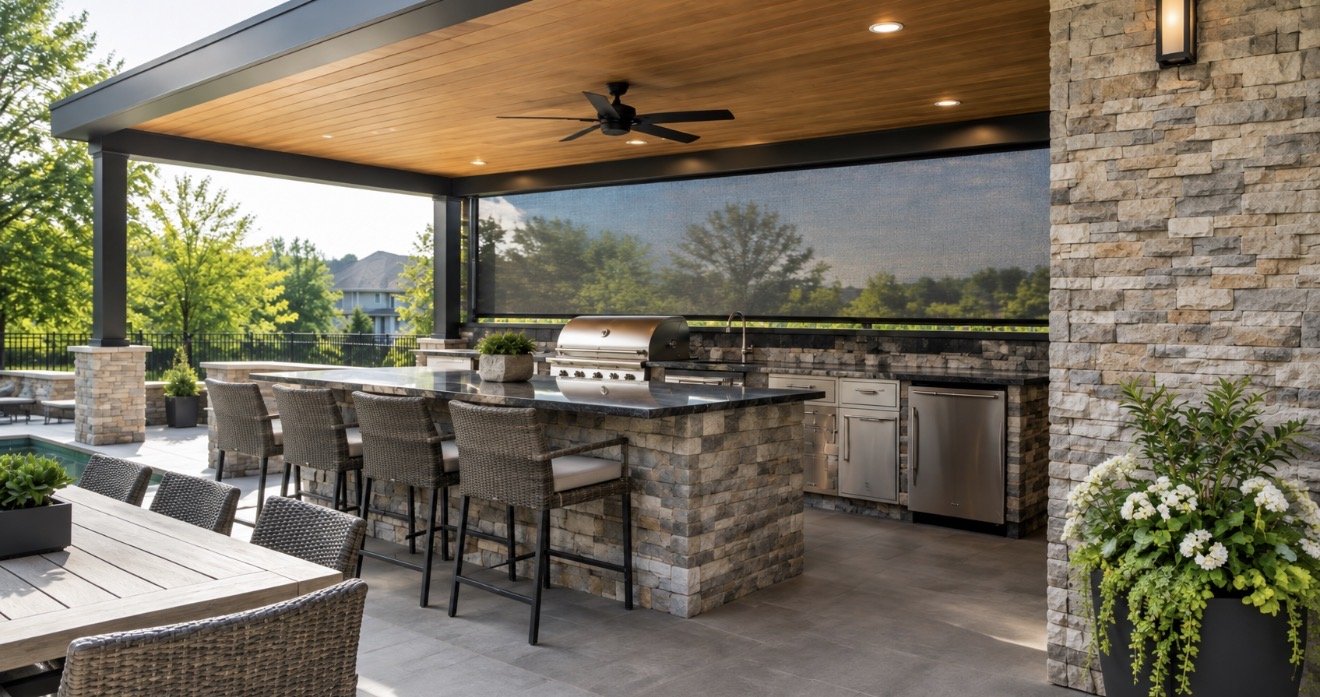
When you interview builders, ask how they handle drainage, how they sequence trades, and what happens if site conditions change mid-build. Hiring a design-build landscape architect covers the process, the questions to ask, and a realistic timeline. If you want a custom patio builder who fits your project, choosing a custom patio builder explains how to compare proposals fairly. And if the pre-sale list grows into a larger outdoor living investment, say, a covered structure or an outdoor kitchen, our custom decks and patios and outdoor kitchens services are worth a look before you commit to a phased plan.
A patio that looks intentional, drains correctly, and holds up season after season does more for a sale than any single plant or piece of furniture. If you are planning an outdoor upgrade before listing, Lush Design Build LLC designs and builds custom patios, pergolas, and outdoor structures with premium materials, full-service design, and one team managing the project from concept through completion. Get a project estimate and find out what your yard can do before it goes on the market.
Frequently Asked Questions
What patio landscaping improvements are most appealing to homebuyers?
Buyers respond most to a patio that looks clean, usable, and low-maintenance. Fresh mulch, defined edges, healthy plantings, and a level surface with working drainage top the list. A simple seating area and clear walkways help buyers picture themselves using the space. Shade, privacy screening, and outdoor lighting also stand out because they suggest the patio works day and night. Avoid fussy, high-maintenance plantings and half-finished DIY projects, which read as future work to buyers.
Should I update my patio before selling my home?
Small, targeted updates usually make sense before a sale, especially repairs and cleanup. Fix cracked pavers, refresh mulch, pressure-wash hardscaping, and trim overgrown plantings. Larger projects like new hardscaping or a covered structure are worth it only if the patio is clearly holding the home back. For major work, weigh the cost against what similar homes in your area offer. A design-build contractor can help you judge which upgrades fit your timeline and market.
How can I make a small patio look larger for resale?
For small patio landscaping ideas for resale, focus on visual flow. Use consistent paving materials that connect the patio to walkways, keep plantings low and layered near the edges, and choose furniture scaled to the space. A single focal point, like a small water feature or a well-placed tree, draws the eye outward. Light colors on hardscaping reflect more light and make tight areas feel open. Buyers notice when a small patio feels intentional rather than cramped.
What are low-maintenance plants for patio landscaping?
Low maintenance patio landscaping ideas for resale lean on durable, climate-appropriate plants. Native perennials, ornamental grasses, and drought-tolerant shrubs need less watering and pruning once established. Evergreens provide year-round structure with minimal care. Fresh mulch reduces weeds and holds moisture. Avoid plants that drop heavy debris onto the patio or require constant deadheading. The goal is a planting scheme that looks good in every season with routine upkeep any buyer can handle.